25+
Years Of Roofing Industry Experience
Outdoor Surfaces Protected From Moisture Damage
Balcony Waterproofing in Commerce for residential, multifamily, and commercial properties with exterior decks showing deterioration or moisture intrusion
Balconies and elevated decks exposed to weather develop leaks that damage structural framing, create stains on ceilings below, and cause surface coatings to peel and crack. Water penetrates through cracks in tile grout, coating failures, and joints where deck surfaces meet building walls, eventually reaching wood framing or steel reinforcement that corrodes when wet. Selah Roofing Corp installs waterproofing systems on balconies throughout Commerce, using proven materials and application methods that stop moisture intrusion before it requires expensive structural repairs.
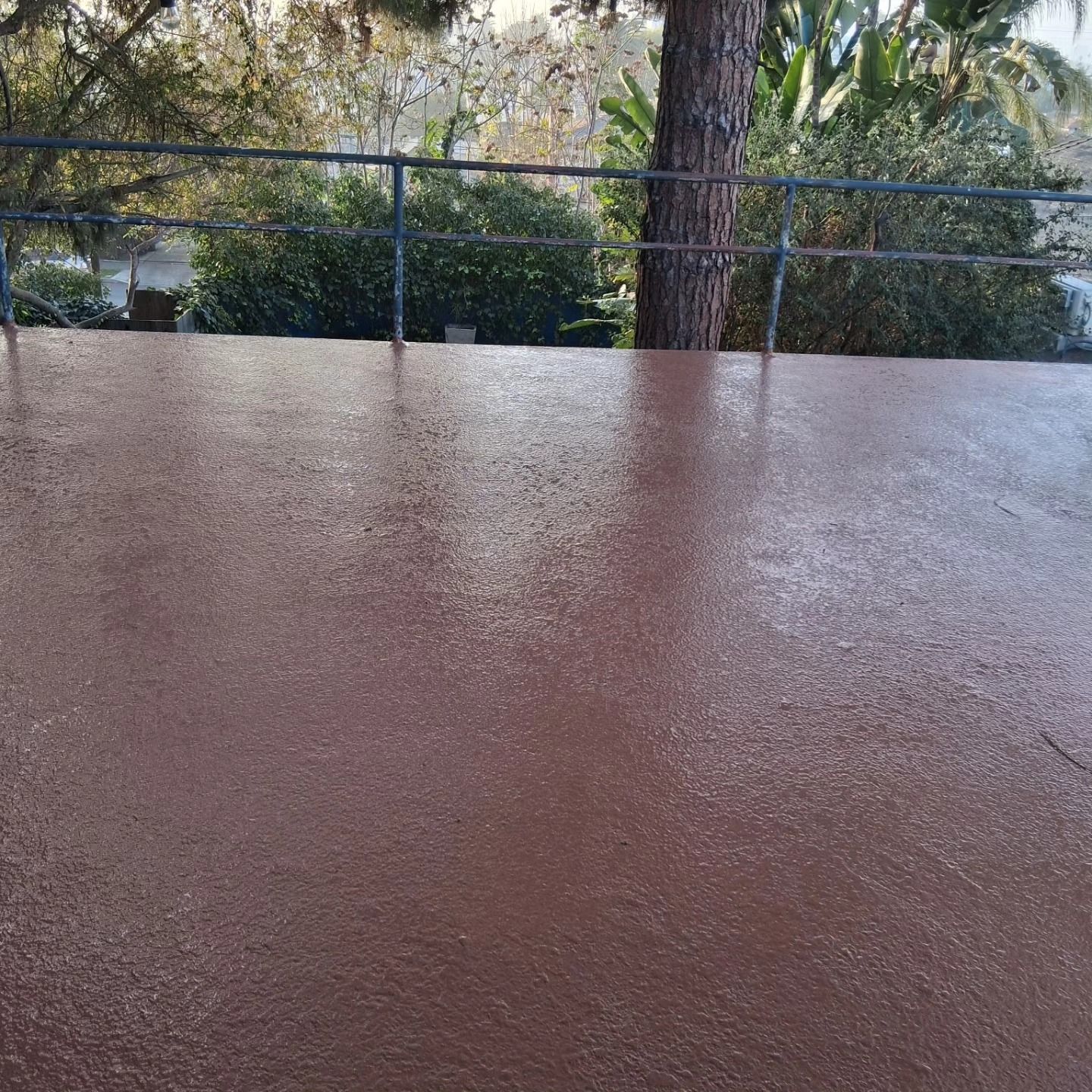
Waterproofing systems create a continuous barrier beneath the visible walking surface, preventing water from reaching the substrate. The process involves removing existing finishes if damaged, preparing the deck substrate, applying a liquid or sheet waterproofing membrane, then installing a new walking surface over the waterproof layer. Proper detailing at transitions, drains, and penetrations ensures water cannot bypass the membrane at vulnerable points.
Arrange an inspection to evaluate current balcony condition and identify moisture damage requiring attention before waterproofing begins.
Why Balcony Leaks Happen and How to Stop Them
Most balcony leaks develop where different materials meet—at door thresholds, parapet walls, railings, and drain assemblies—since these transitions create paths for water to penetrate if not properly sealed. The waterproofing membrane must extend up vertical surfaces and integrate with building weather barriers to create a continuous protective envelope. Drains are detailed with fabric reinforcement and sealant to accommodate movement without creating gaps where water can enter.
After waterproofing is complete, water drains off the balcony surface without seeping through to spaces below. Ceiling stains in the room beneath stop expanding, wood framing no longer shows moisture damage during inspections, and tile or coating installed over the waterproof layer remains bonded rather than delaminating due to water trapped beneath. The walking surface stays intact through seasonal temperature changes and wet weather, avoiding the cracking and spalling that occurs when moisture freezes or corrodes embedded reinforcement.
Balcony waterproofing works for both new construction and restoration projects, though restoration requires removing failed coatings or tile down to a sound substrate before the new system can be installed. The choice of waterproofing material depends on the deck structure, intended finish, and expected traffic levels. Periodic inspections help identify coating wear or surface damage early, allowing minor repairs before moisture penetrates the waterproof layer and causes structural damage.
Questions Before Starting Your Project
Property owners dealing with balcony leaks in Commerce often need to understand the scope of work, material options, and how waterproofing integrates with aesthetic requirements for outdoor living spaces.
What signs indicate a balcony needs waterproofing?
Visible indicators include water stains on ceilings below the deck, loose or cracked tile, peeling coatings, rust stains from corroding fasteners, and soft spots in the walking surface. Interior moisture damage suggests water has penetrated the substrate and requires immediate attention to prevent structural deterioration.
How does waterproofing affect the appearance of the balcony?
The waterproofing membrane itself is hidden beneath the finish layer, so the final appearance depends on the walking surface you choose—tile, coating, pavers, or other materials. The visible surface can match your design preferences while the waterproof layer beneath protects the structure.
Can waterproofing be applied over existing tile?
In some cases, waterproofing coatings can be applied over sound tile if it is properly cleaned and primed. However, if tile is loose or the substrate beneath is damaged, removal is necessary to reach a stable surface that will support the new waterproofing system.
What maintenance does a waterproofed balcony require?
Regular cleaning prevents dirt buildup that can trap moisture against the surface. Inspect coatings annually for cracks or wear, and reseal joints where the deck meets walls or railings as needed. Addressing minor damage promptly prevents water from reaching the substrate and causing larger problems.
How long does balcony waterproofing last before it needs renewal?
Properly installed waterproofing systems typically provide ten to twenty years of protection, depending on material type, traffic levels, and exposure conditions. Regular maintenance and timely repairs extend system life, while neglect accelerates deterioration and may require full restoration sooner.
Selah Roofing Corp installs balcony waterproofing systems for residential and commercial properties in Commerce, addressing moisture intrusion while preserving the functionality and appearance of outdoor spaces. Contact us to schedule an assessment and discuss waterproofing solutions suited to your balcony's condition and intended use.