
25+
Years Of Roofing Industry Experience
Roofs That Hold Up Through Weather Cycles
Tile Removal and Reset in Los Angeles for roofs showing displaced, cracked, or improperly seated tiles
Roof tiles shift over time due to thermal expansion, seismic activity, and wind uplift, creating gaps where water can penetrate the underlayment and decking below. Selah Roofing Corp provides tile removal and reset services that address these structural vulnerabilities by lifting affected sections, inspecting the substrate, and reinstalling tiles with proper alignment and fastening. You'll notice tiles that sit flush against one another, eliminating the visual unevenness and functional gaps that compromise weather protection.
The process involves carefully removing tiles without breaking them, evaluating the condition of battens or felt paper underneath, replacing any compromised materials, and resetting each tile so it interlocks correctly with adjacent pieces. In coastal and urban areas of Los Angeles, temperature swings between day and night cause clay and concrete tiles to expand and contract, which over years can loosen nails or hooks and shift tiles out of position.
Schedule a roof inspection to identify which sections require removal and reset before the next rain season.
What Proper Tile Reset Actually Involves
The work begins with a detailed assessment of which tiles have moved, which fasteners have failed, and whether the underlayment beneath shows signs of moisture damage or deterioration. Each tile is lifted methodically to avoid cracking, and the exposed substrate is checked for rot, mold, or weakened battens that need replacement before tiles go back down. New fasteners are installed at the correct penetration depth to hold tiles securely without over-tightening, which can crack the tile during the next thermal cycle.
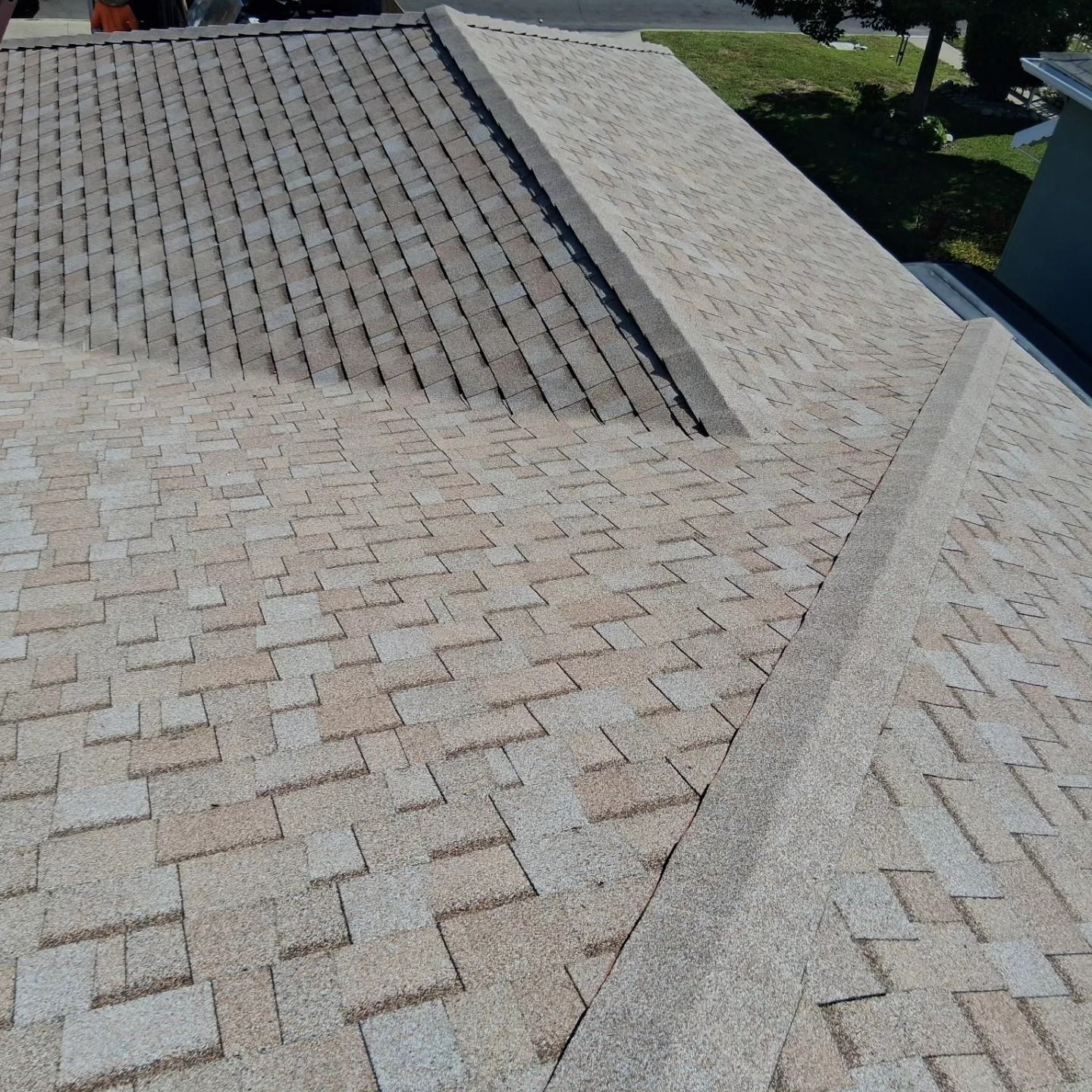
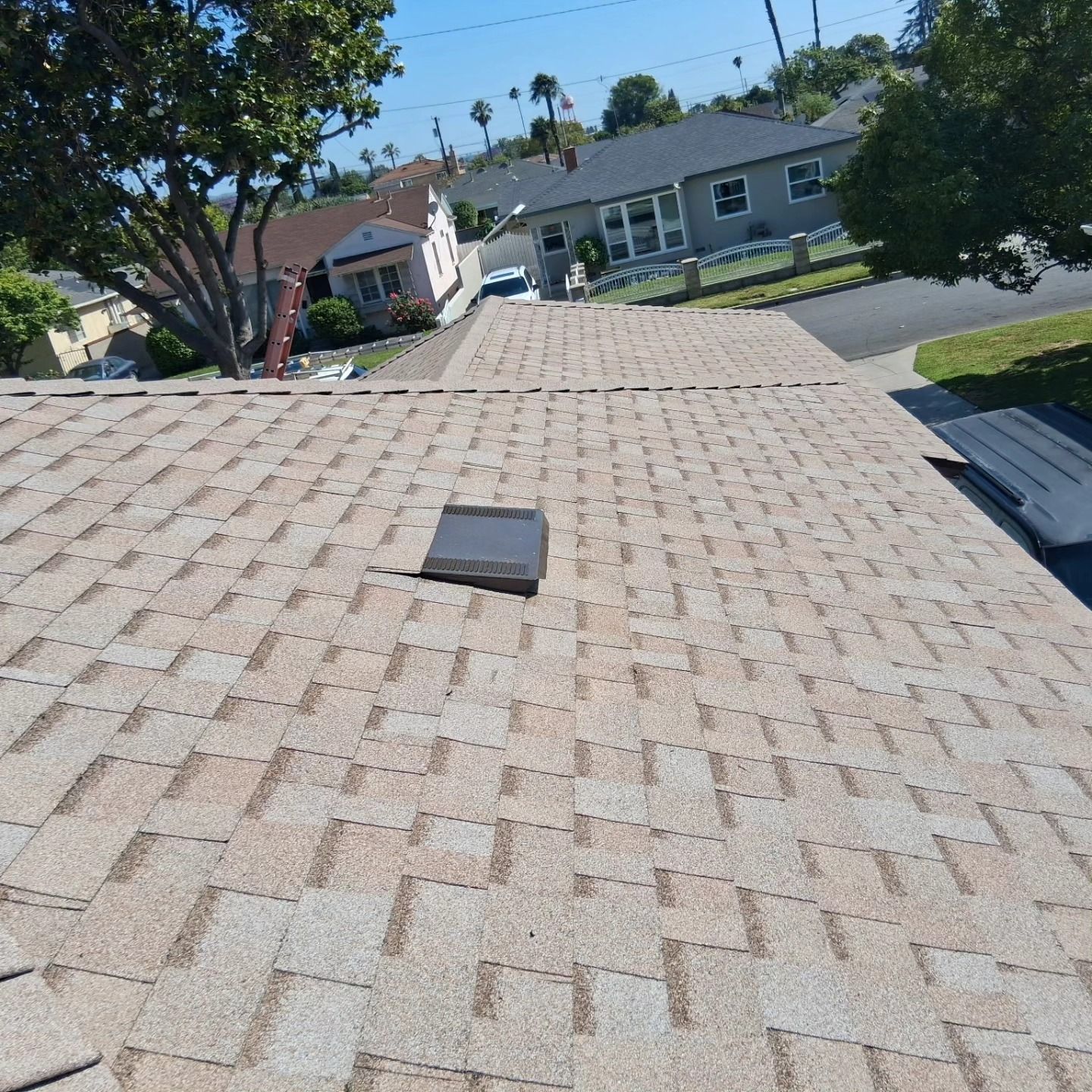
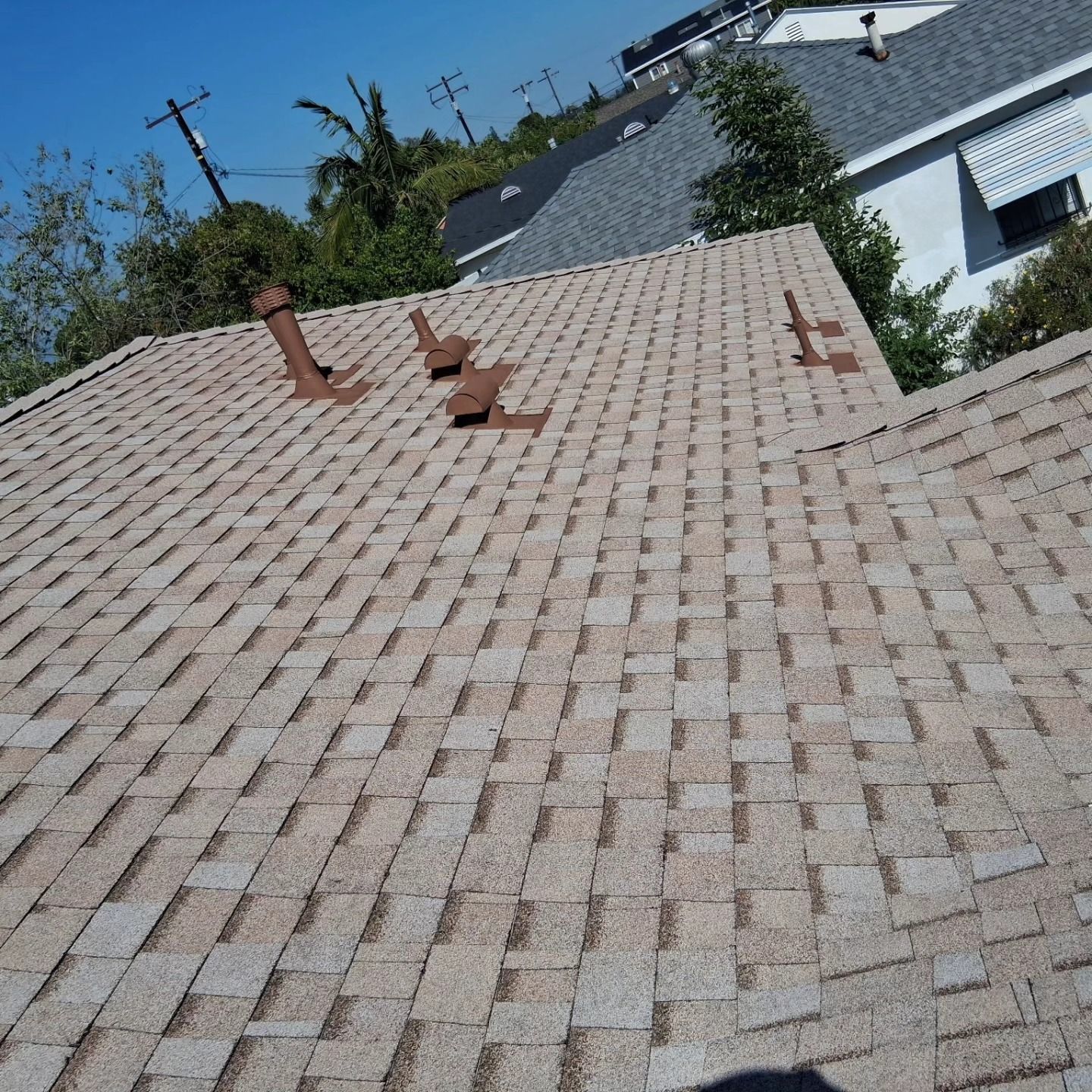
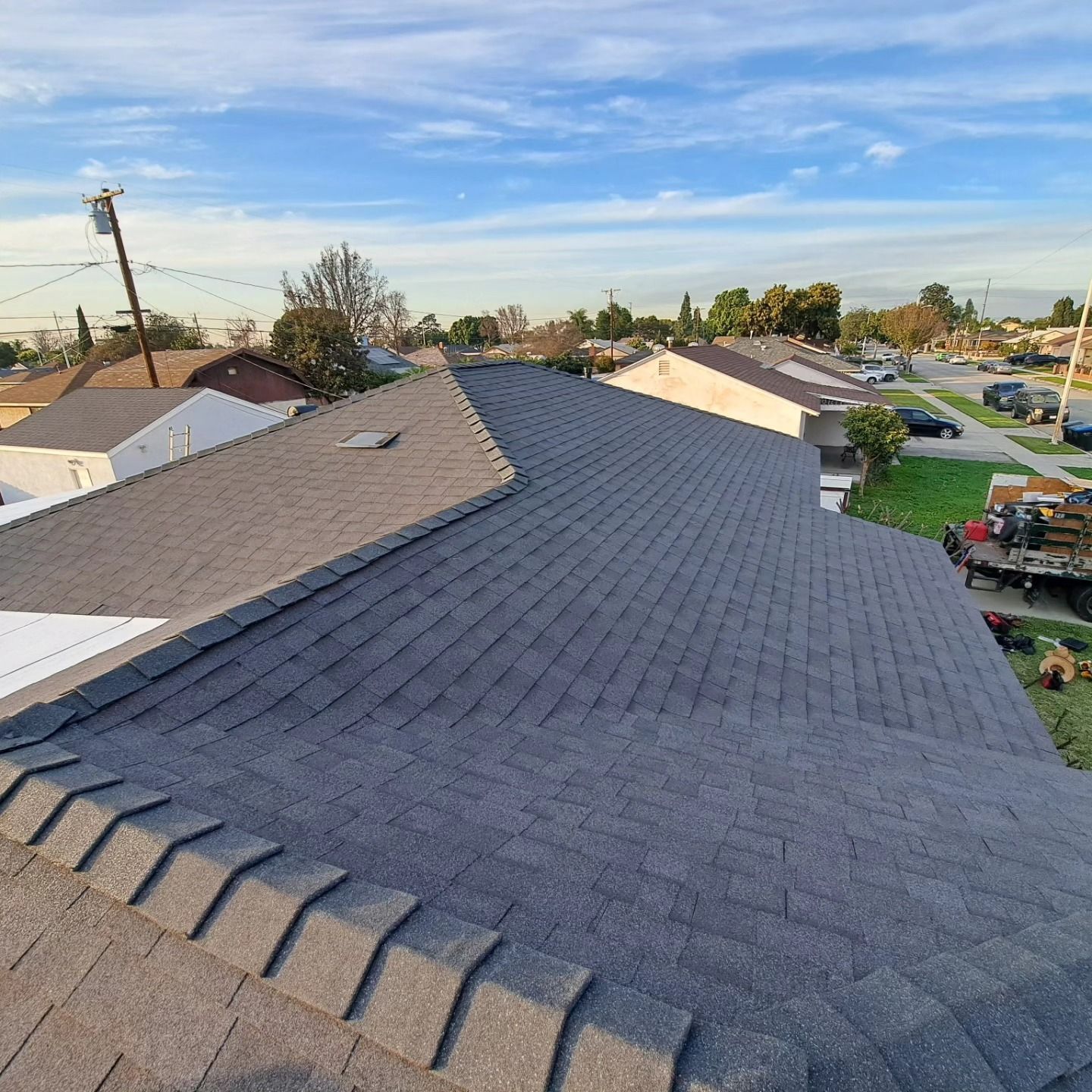
Once the reset is complete, you'll see a roof surface where every tile aligns with its neighbors, water channels between rows direct runoff properly, and no gaps exist for wind-driven rain to enter. The visual difference is immediate—rows appear straight and uniform rather than staggered or uneven—and the functional change becomes clear during the first storm, when water flows off the roof as designed instead of pooling or seeping under displaced tiles.
The scope of work depends on how many tiles need attention and whether underlayment replacement is necessary. Some projects require only fastener replacement and tile repositioning, while others involve replacing entire sections of felt or synthetic underlayment that have degraded from years of exposure. The evaluation determines which approach prevents future displacement and protects the roof deck long-term.
Questions Before Starting Your Project
Homeowners in Los Angeles often have similar concerns before beginning tile removal and reset work, especially regarding what the process involves and how long results last.
What causes roof tiles to shift out of place?
Thermal expansion from daily temperature changes, seismic movement, wind uplift during storms, and fastener corrosion all contribute to tile displacement over time, with older roofs showing more movement as nails and hooks weaken.
How is tile removal performed without causing breakage?
Each tile is lifted using flat bars or specialized tools that release the fastener without applying torque to the tile itself, and experienced crews work systematically to avoid stepping on unsecured tiles during the process.
What gets inspected once tiles are removed?
The underlayment is checked for tears, moisture stains, and brittleness, while battens or decking are examined for rot, insect damage, and structural integrity that affects how securely new fasteners will hold.
How long does a tile reset last before tiles shift again?
Properly reset tiles with new fasteners and intact underlayment typically remain secure for fifteen to twenty years, depending on exposure to wind and seismic activity in your specific area.
What determines whether underlayment needs replacement during reset?
Visible deterioration such as cracking, loss of waterproofing integrity, or moisture stains on the decking below indicates that underlayment replacement should accompany the tile reset to prevent leaks.
Selah Roofing Corp performs tile removal and reset work throughout Los Angeles with attention to fastener placement, substrate condition, and alignment standards that keep tiles secure through multiple weather cycles. Request an evaluation to determine which sections of your roof require removal and reset based on current tile condition and underlayment integrity.