25+
Years Of Roofing Industry Experience
Systems That Protect Business Operations
Commercial Roofing in Commerce for office buildings, retail centers, and industrial properties
Flat and low-slope commercial roofs face constant water exposure and foot traffic from maintenance crews, yet many property managers delay replacement until leaks disrupt tenant operations. Selah Roofing provides commercial roofing services for office buildings, retail centers, industrial properties, and multifamily developments across Commerce and surrounding areas. The company handles both new installations and full replacements, coordinating with property owners, managers, contractors, and developers to minimize disruption and keep projects on schedule even when businesses remain open below.
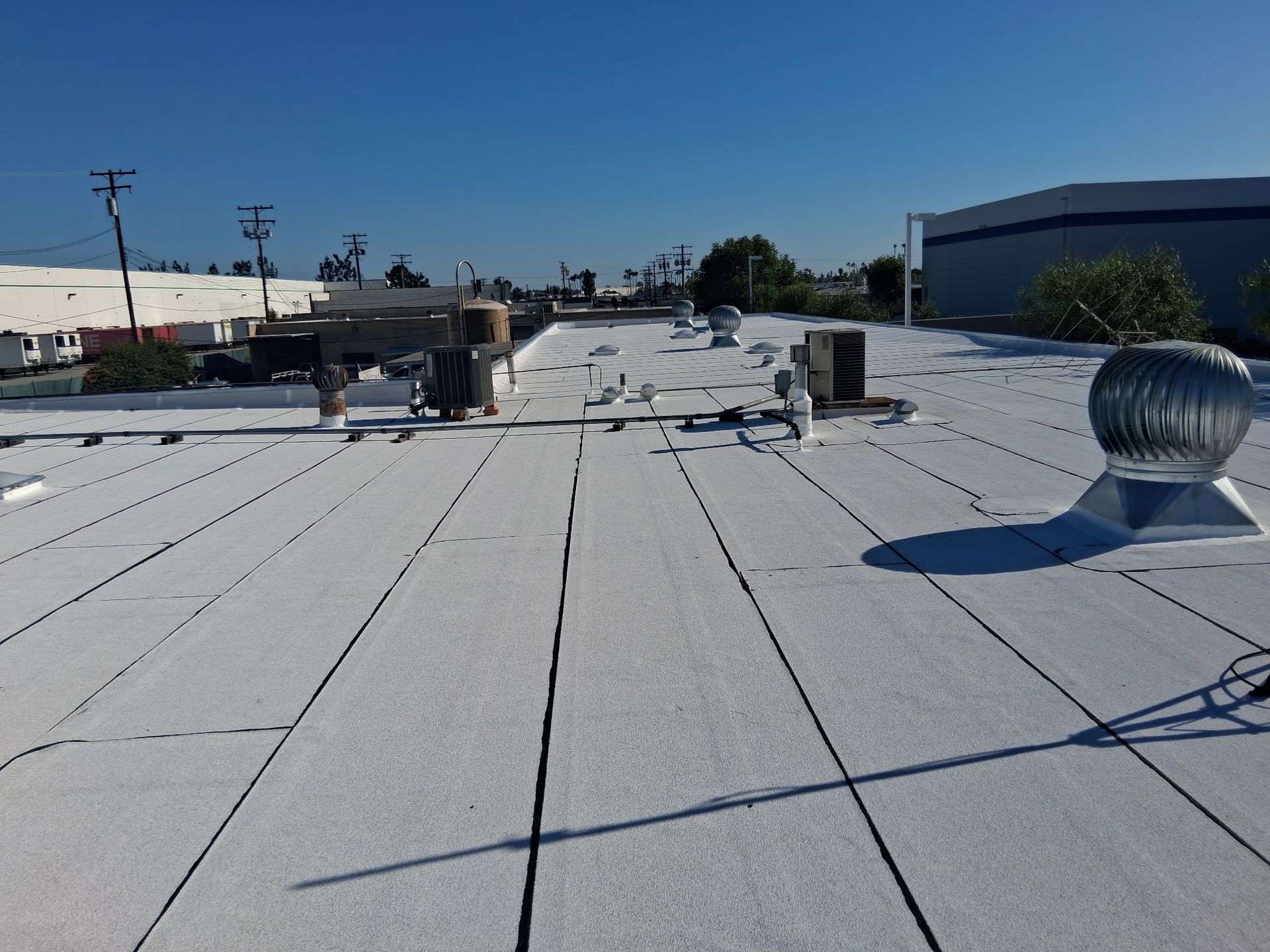
Commercial roofing systems differ fundamentally from residential applications, requiring membrane materials and drainage designs engineered for large surface areas with minimal slope. Installation involves preparing the substrate, laying insulation to meet energy code requirements, installing the waterproof membrane, and sealing penetrations for HVAC units and exhaust vents. The selected system must balance upfront cost, expected service life, energy performance, and compatibility with existing structural load limits.
Arrange an on-site evaluation to assess current roof condition and discuss system options suited to your facility.
What Changes After Installation Completes
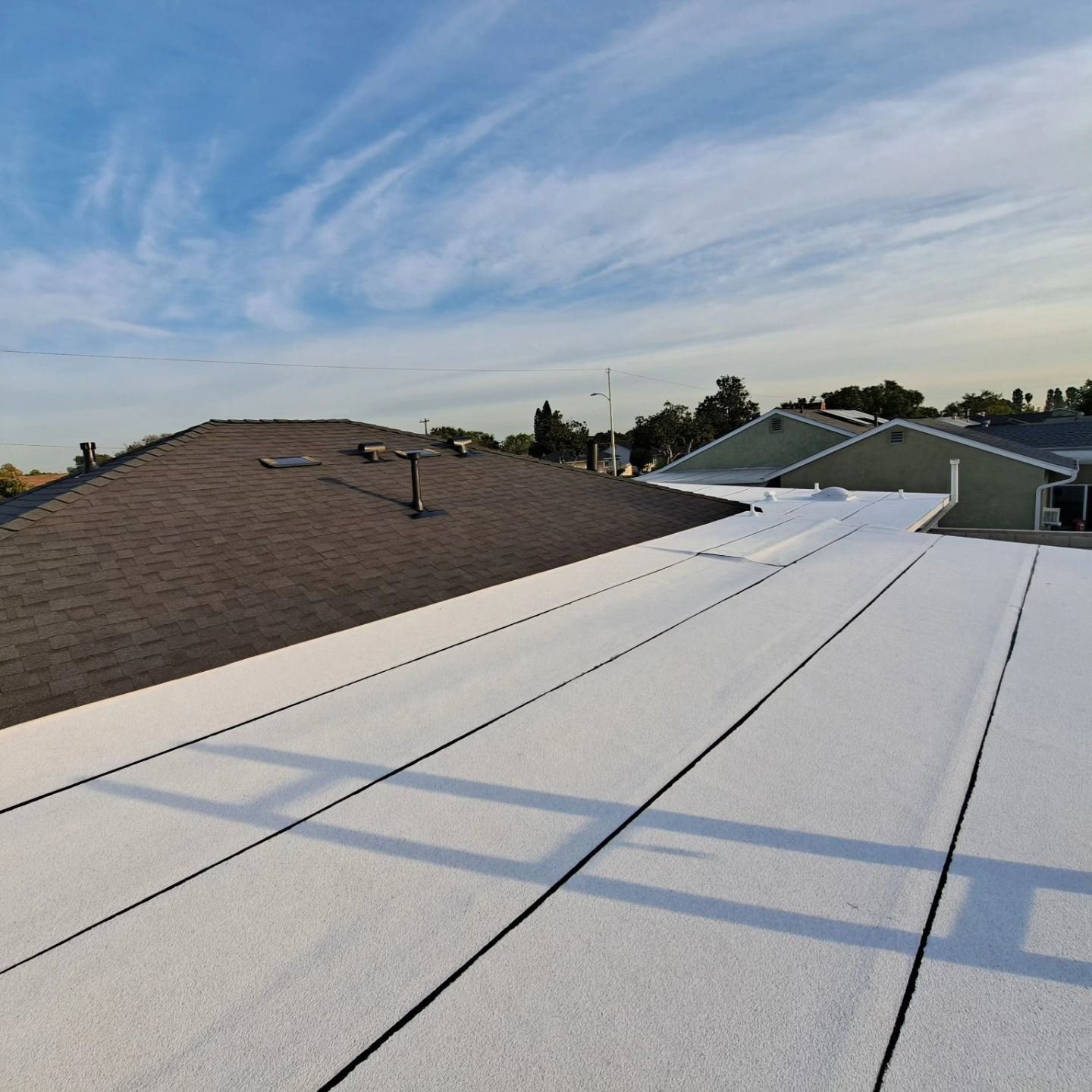
The work begins with a structural assessment to confirm the roof deck can support the new system's weight, including insulation layers and membrane materials. Crews remove the existing roofing down to the deck, repair damaged sections, install rigid insulation boards, and apply the membrane in overlapping sections heat-welded or adhered to create a continuous waterproof barrier. Flashing details around roof-mounted equipment and parapet walls receive particular attention since these transitions cause most commercial roof failures.
After completion, water drains efficiently to scuppers and internal drains without ponding in low areas, and HVAC technicians can access rooftop equipment without damaging the membrane. The building envelope becomes airtight, reducing heating and cooling costs as conditioned air no longer escapes through gaps in the old roofing assembly. You'll notice fewer emergency repair calls and no more ceiling tiles stained from persistent leaks.
The service includes coordination with local inspectors for required permits, protection of building occupants and inventory during work hours, and safe disposal of removed materials. It does not typically cover upgrades to structural framing, replacement of damaged interior finishes, or modifications to rooftop mechanical equipment unless specified in the project scope. Warranty terms depend on the membrane system and installation specifications.
Answers to Frequent Service Questions
Property managers and building owners typically want to understand timelines, cost factors, and how to minimize tenant disruptions.
How long does a commercial roof replacement take?
Project duration depends on building size and complexity, with smaller retail properties often completed in one to two weeks and large industrial facilities requiring several weeks of phased work to avoid shutting down operations.
What commercial roofing systems work best in Commerce?
Low-slope roofs in Southern California benefit from single-ply membranes or modified bitumen systems that resist UV degradation and thermal expansion, with material selection depending on existing structural capacity and energy efficiency goals.
Can the work proceed while tenants occupy the building?
Most commercial roofing projects continue with businesses operating below, using safety protocols, noise management, and sequenced work zones to limit disruption, though some particularly sensitive operations may require weekend or overnight scheduling.
What causes commercial roofs to fail prematurely?
Poor drainage that allows water to pond, inadequate flashing around penetrations, and foot traffic from untrained maintenance staff damaging the membrane account for most early failures, which is why proper installation and access planning matter.
How often should commercial roofs be inspected?
Schedule professional inspections twice annually and after major storms to identify punctures, open seams, or clogged drains before minor issues escalate into tenant-disrupting leaks.
Selah Roofing manages projects ranging from small commercial properties to large-scale facilities, prioritizing safety and quality workmanship. Contact the team to discuss your building's specific roofing requirements and project timeline.