25+
Years Of Roofing Industry Experience
Timeless Appearance Built for Decades
Tile Roofing in Commerce for property owners seeking premium durability and lasting curb appeal
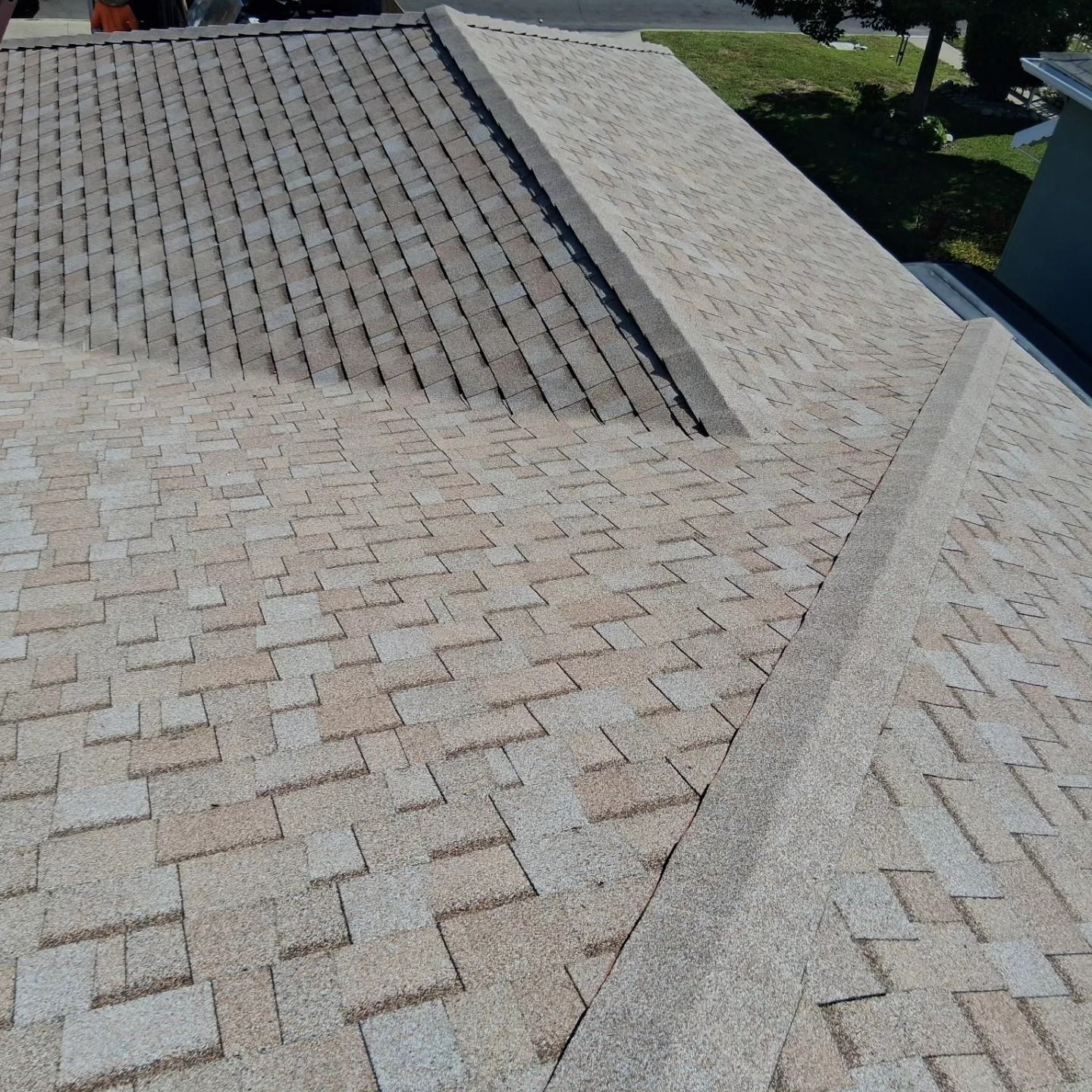
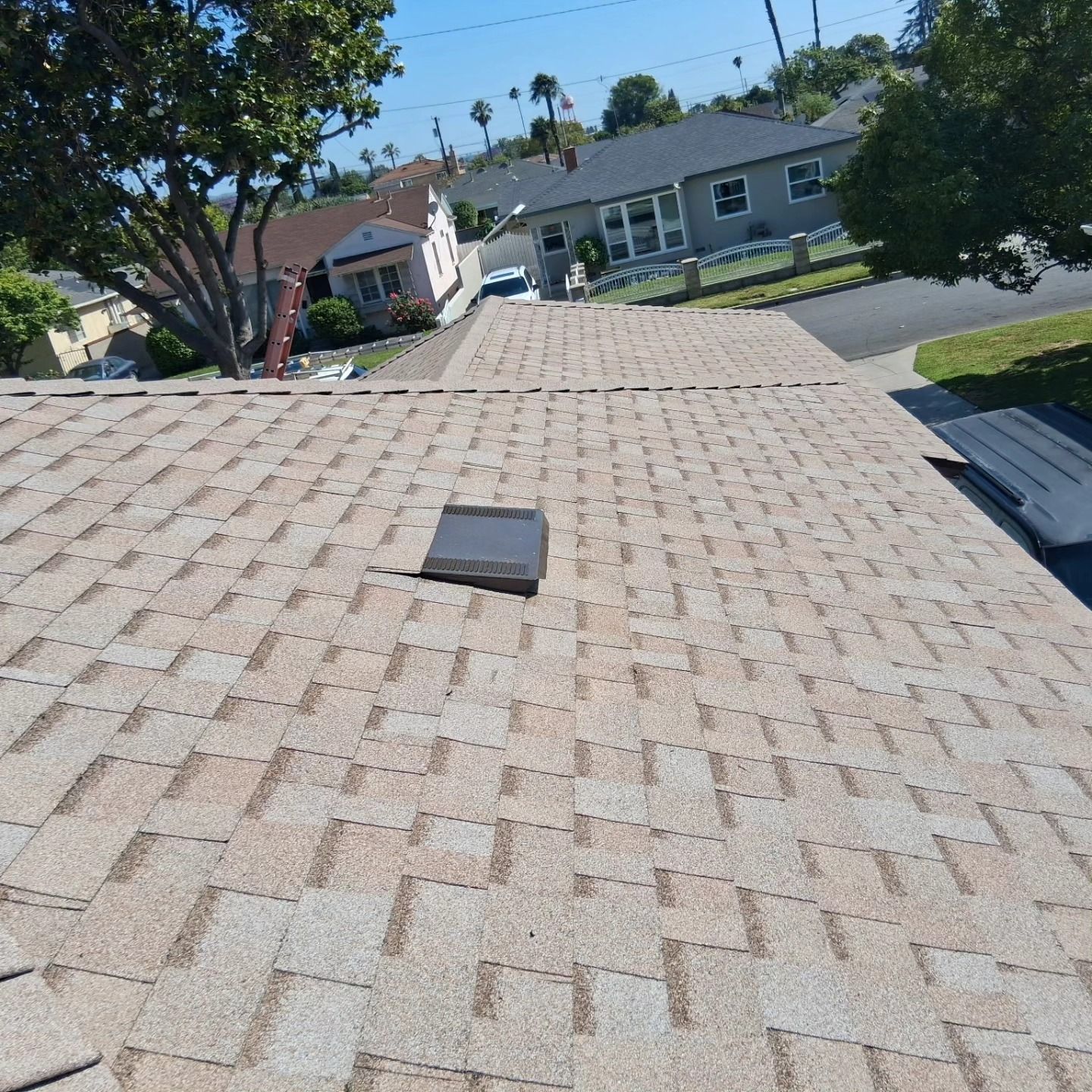
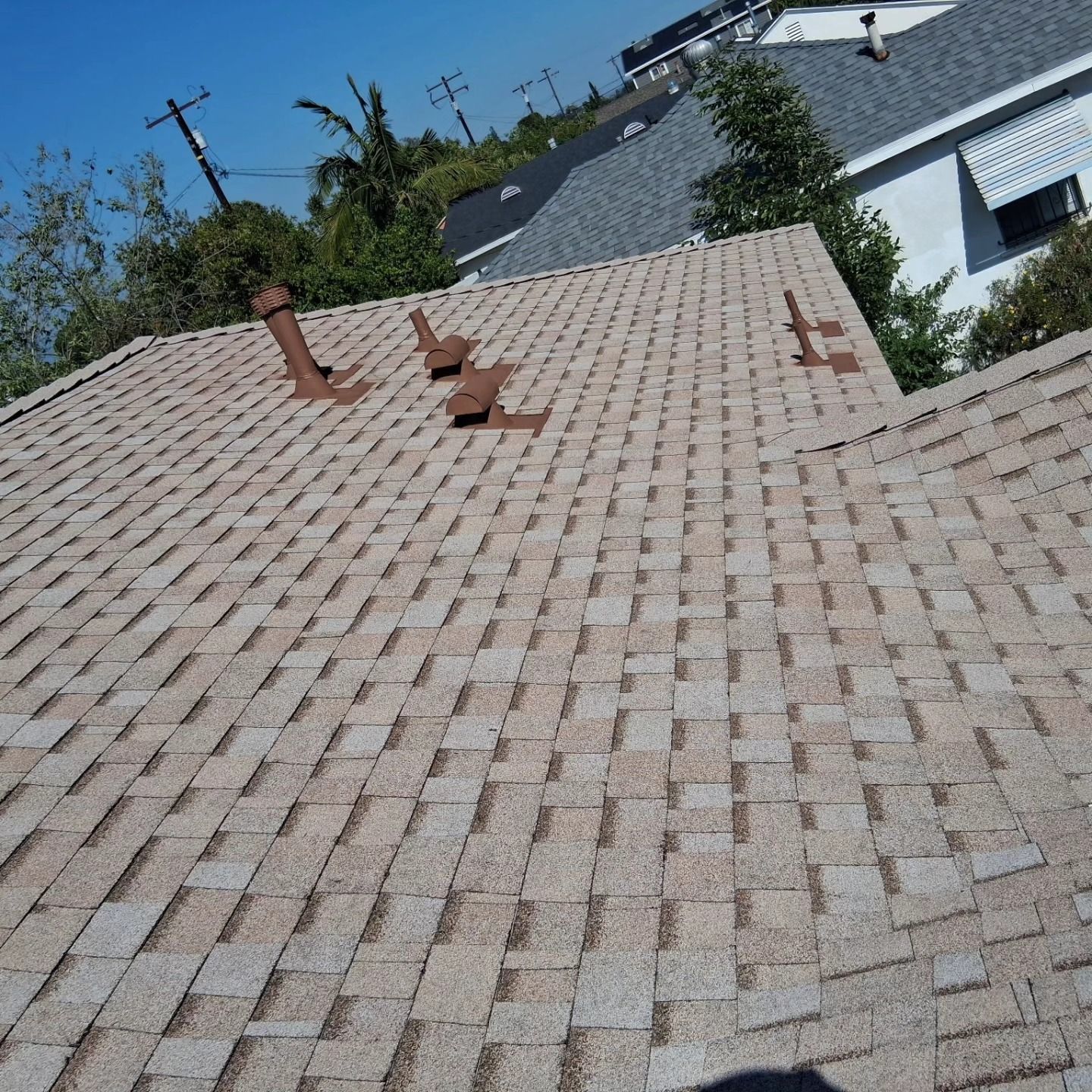
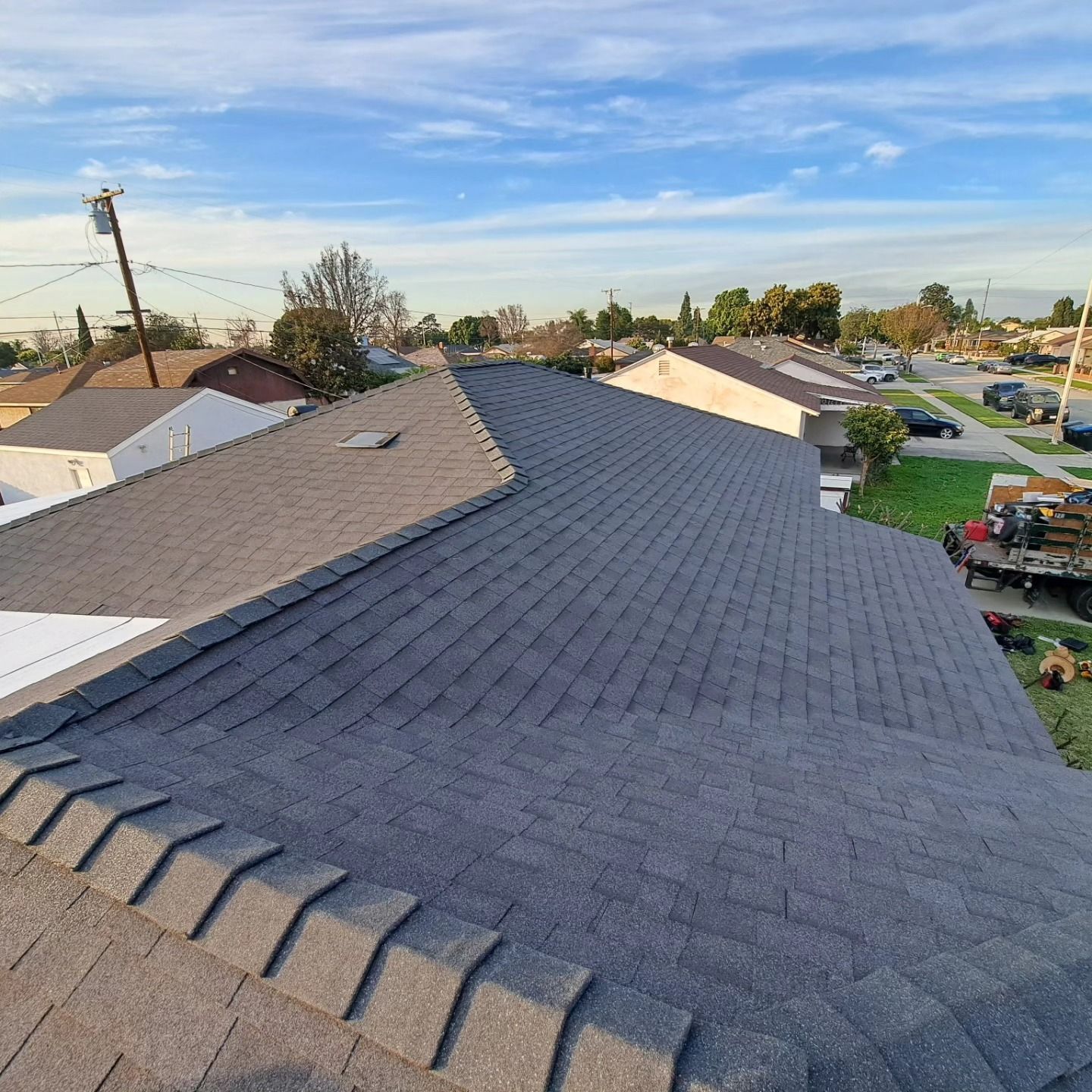
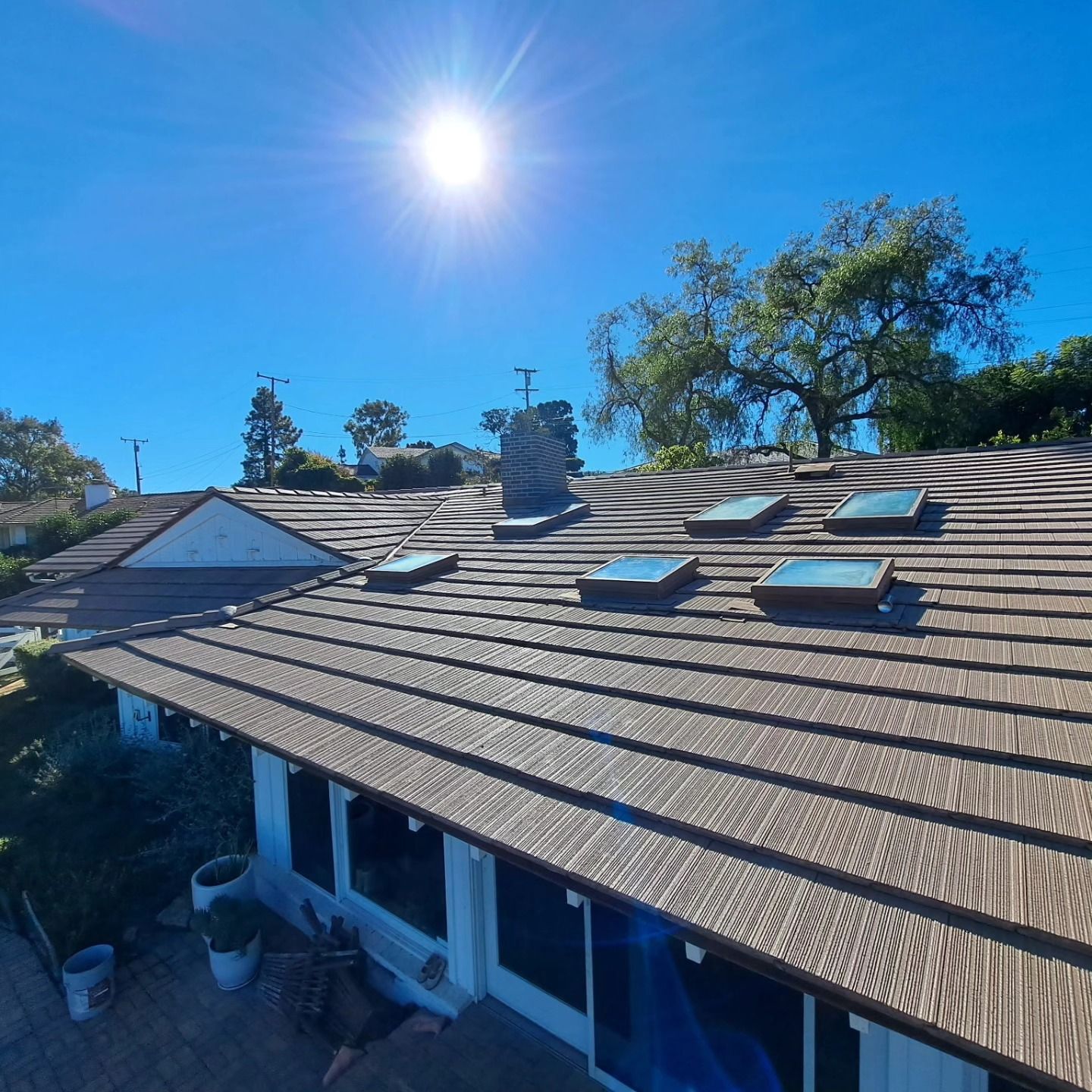
Few roofing materials match the longevity and visual impact of tile, which explains its popularity throughout Southern California on homes ranging from Spanish Colonial Revival to contemporary designs. Tile roofing installed by Selah Roofing provides decades of service when properly supported and flashed, resisting intense sunlight and temperature swings that degrade lesser materials within fifteen years. The system is available in clay and concrete formulations, with profiles ranging from traditional barrel tiles to flat shakes and interlocking styles, each offering distinct aesthetic and performance characteristics.
Experienced installation is non-negotiable with tile roofing since improper support or flashing leads to cracked tiles, water intrusion, and structural damage. Crews first verify the roof framing can support the added weight—tile roofs weigh substantially more than composition shingles—then install reinforced underlayment and battens that secure each tile while allowing airflow beneath. Flashing around chimneys, valleys, and sidewalls requires precision since tile profiles create gaps that must be sealed without restricting drainage.
Request an on-site assessment to determine if your structure can support tile roofing and review profile options suited to your architectural style.
What Tile Roofing Actually Accomplishes
The installation process begins with a structural evaluation to confirm adequate rafter sizing and spacing, since retrofitting tile onto a roof designed for lighter materials sometimes requires additional bracing. Underlayment must be high-grade synthetic or multi-layer felt to withstand the tile's weight during installation and provide secondary water protection if wind-driven rain penetrates the tile layer. Each tile is fastened to battens or directly to the deck depending on profile and local wind load requirements, with spacing adjusted to accommodate thermal expansion.
Once finished, the roof develops a dimensional appearance with deep shadow lines that add character to the property, and the color remains stable for decades without the fading that affects composition shingles. Water sheds quickly off the tile surface while the air gap beneath keeps the attic cooler than with flat roofing materials, reducing cooling costs during summer. The roof withstands hail, wind, and fire better than most alternatives, and individual tiles can be replaced if broken without disturbing surrounding sections.
The work includes tear-off of existing materials, structural reinforcement if needed, installation of proper underlayment and flashing, and placement of ridge and hip tiles that seal the roof's peaks. It does not cover painting of tiles, gutter upgrades, or modifications to attic ventilation systems unless included in the project agreement. Tile itself carries long warranties, often fifty years or more, though underlayment and flashing components require eventual replacement.
Questions Before Choosing Tile Roofing
Property owners considering tile roofing want to understand structural requirements, maintenance expectations, and long-term value.
What is the difference between clay and concrete tile?
Clay tiles are lighter and carry natural color throughout the material, while concrete tiles are heavier, less expensive, and use surface pigments that may fade slightly over time, though both perform well in Commerce's climate.
How long does a tile roof last?
Properly installed tile roofing often exceeds fifty years of service, with the tiles themselves outlasting multiple generations of underlayment and flashing that may need replacement every twenty to thirty years.
Can any home support tile roofing?
Homes built with tile roofing in mind have adequate rafter and truss sizing, but retrofitting tile onto structures designed for lighter materials sometimes requires engineering evaluation and additional support to meet code requirements.
What happens if a tile breaks?
Individual tiles can be carefully removed and replaced without affecting adjacent sections, which is why keeping spare tiles from the original installation helps ensure color and profile matching for future repairs.
Does tile roofing require special maintenance?
Keep gutters clear to prevent water backing up under tiles, inspect flashing annually for cracks or separation, and trim trees to avoid branches breaking tiles during storms, but the tiles themselves require minimal upkeep compared to other roofing materials.
Selah Roofing has extensive experience installing tile roofing on residential homes and select commercial buildings, ensuring structural integrity and long-term performance. Call (323) 870-7046 to discuss your project and schedule a detailed evaluation of your property's roofing needs.