25+
Years Of Roofing Industry Experience
Flat Roof Protection That Reflects Heat
TPO Roofing in Commerce for commercial buildings with low-slope roofs experiencing high cooling costs and membrane deterioration
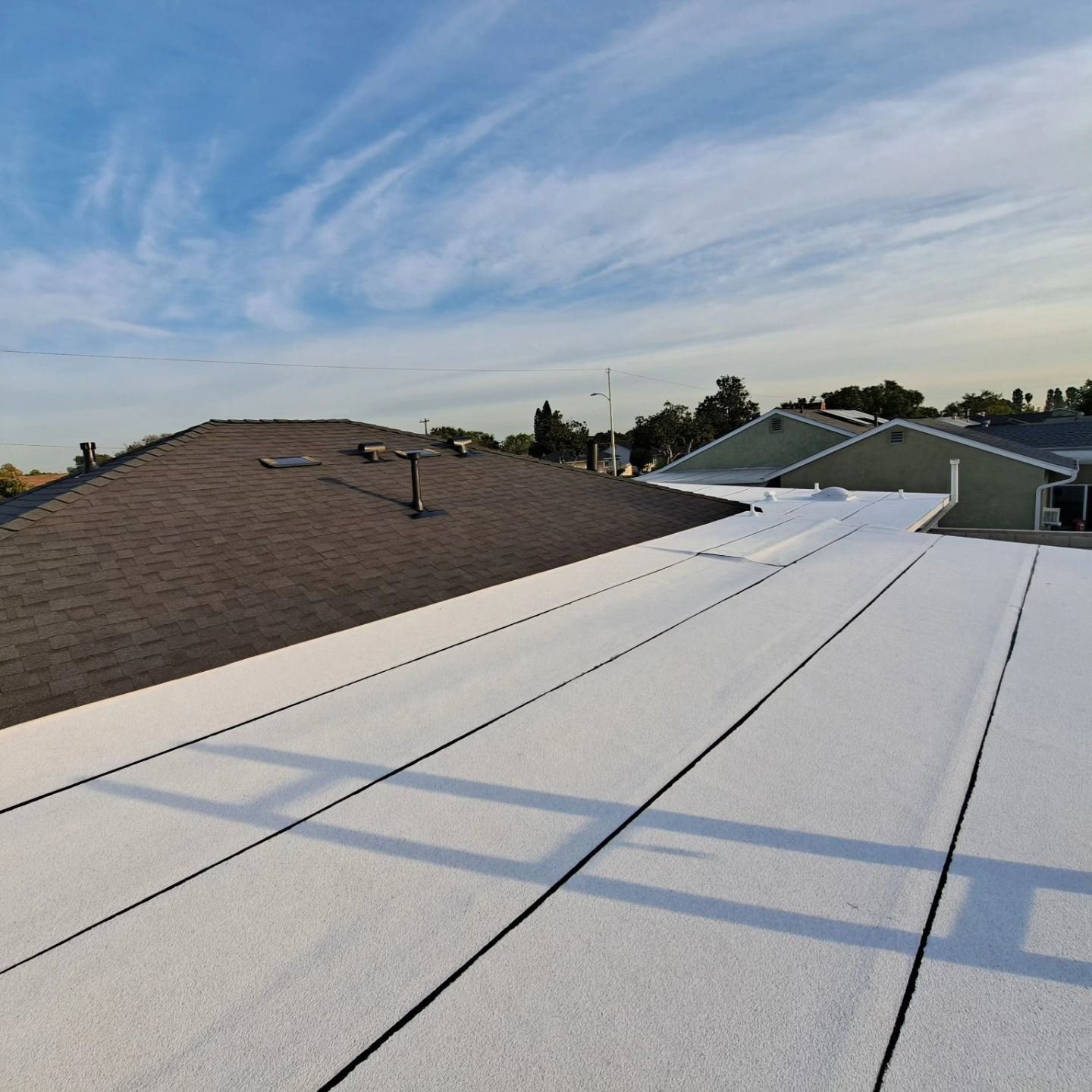
Flat and low-slope commercial roofs absorb tremendous solar heat throughout Southern California's extended summer, transferring that thermal load directly into building interiors and driving air conditioning systems to run continuously during daylight hours. TPO membrane roofing addresses this through a bright white reflective surface that bounces solar radiation back rather than converting it to heat, measurably reducing roof surface temperatures and the cooling demand below. Selah Roofing installs TPO roofing systems across Commerce on warehouses, retail centers, office buildings, and industrial facilities where energy efficiency and long-term waterproof protection determine operating costs and tenant comfort over decades of use.
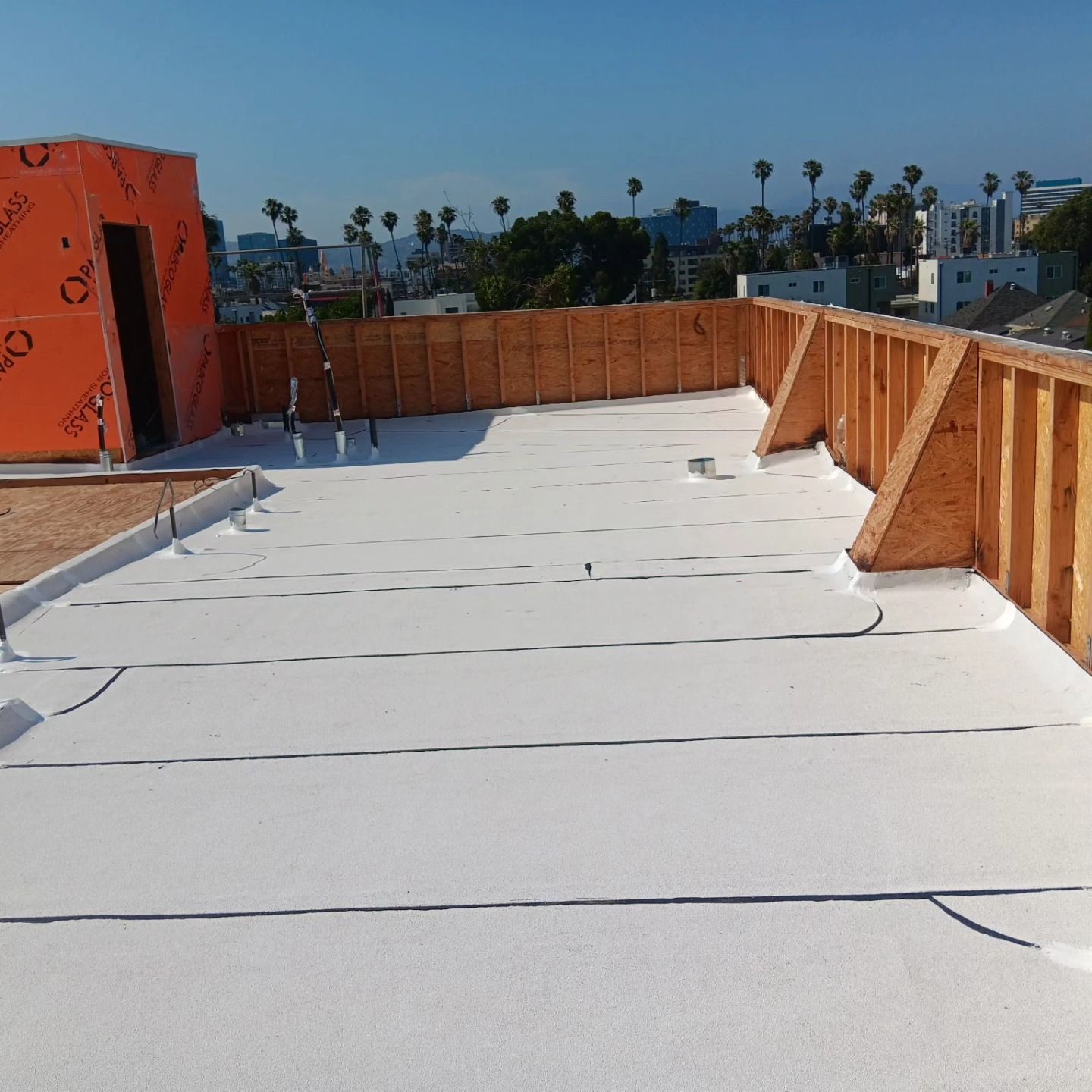
TPO installation begins with preparing the existing roof deck or removing the old membrane system, then rolling out large sheets of thermoplastic polyolefin material that are heat-welded together at the seams using specialized equipment that creates bonds stronger than the membrane itself. This heat-welding process eliminates adhesive failure common in glued or mechanically fastened systems, as the seams essentially become a continuous waterproof plane. Your building gains protection against ponding water, UV degradation, and puncture damage from rooftop equipment or debris.
Request a roof assessment to identify current membrane condition and energy loss patterns.
How TPO Addresses Commercial Roof Challenges
TPO membranes resist the chemical breakdown that degrades petroleum-based roofing products, maintaining flexibility and waterproof integrity even after prolonged exposure to oils, greases, and industrial pollutants common around commercial HVAC equipment and exhaust vents. Heat-welded seams create watertight bonds that withstand thermal cycling and structural movement without separating, a critical advantage on large roof expanses where temperature differentials cause dimensional changes throughout the day. White TPO surfaces achieve solar reflectance values exceeding seventy percent, keeping roof temperatures thirty to fifty degrees cooler than dark membranes and reducing the urban heat island effect around your building.
After installation, you'll notice roof surfaces that shed water immediately toward drainage points rather than holding puddles that accelerate membrane wear, and interior ceiling temperatures drop noticeably in spaces directly below the roof deck. Air conditioning systems cycle less frequently during peak hours, translating to lower electricity bills and extended equipment lifespan. The roof's white surface stays visibly cleaner than dark membranes, as dirt and debris contrast sharply during routine inspections.
TPO systems accommodate various attachment methods including fully adhered, mechanically fastened, and ballasted installations, with selection depending on building structure, wind exposure, and budget considerations. Membrane thickness ranges from forty-five to eighty mils, with thicker specifications recommended for roofs with heavy foot traffic or equipment installations requiring additional puncture resistance.
Common Questions About This Service
Property managers and building owners typically ask these questions when evaluating TPO roofing.
What is the expected lifespan of TPO roofing in Commerce?
Properly installed TPO membranes regularly perform for twenty to thirty years in Southern California's climate, with actual longevity influenced by roof maintenance, drainage quality, and exposure to mechanical damage from rooftop activity.
How does TPO compare to PVC for commercial applications?
TPO offers similar reflectivity and waterproofing at lower material cost, though PVC provides superior chemical resistance around restaurant exhaust vents and industrial facilities with aggressive airborne contaminants.
What maintenance does TPO roofing require?
Semi-annual inspections to clear drains, check seam integrity, and remove debris represent standard maintenance, with minor membrane repairs accomplished through heat-welded patches that restore full waterproof protection.
How is TPO installed around rooftop equipment?
Membrane material is cut and fitted precisely around HVAC units, vents, and penetrations, then heat-welded to prefabricated metal or plastic flashings that create sealed transitions between the flat membrane and vertical surfaces.
Why do some TPO roofs develop leaks years after installation?
Poor seam welding during initial installation represents the primary failure mode, as inadequately heated seams may appear bonded but separate under thermal stress or ponding water pressure over time.
Selah Roofing performs detailed roof inspections including infrared scanning to identify moisture intrusion before it causes structural damage. Schedule a commercial roofing consultation to review your building's specific requirements and energy efficiency potential.