25+
Years Of Roofing Industry Experience
Chemical-Resistant Membrane Systems
PVC Roofing in Commerce for commercial properties requiring superior waterproofing and resistance to environmental contaminants
Commercial roofing membranes surrounding restaurant exhaust systems, industrial facilities, and chemical storage areas face constant exposure to oils, greases, and airborne contaminants that break down standard roofing materials through chemical interaction, causing premature brittleness and seam failure long before the membrane's expected lifespan. PVC roofing provides molecular resistance to these chemicals, maintaining its flexible waterproof properties even when exposed to substances that would degrade alternative membranes within years. Flat and low-slope roofs across Commerce benefit from PVC's durability, particularly on buildings where rooftop equipment or operational processes introduce materials that attack petroleum-based roofing products, and Selah Roofing installs these high-performance systems on facilities where roof failure creates costly operational disruption or inventory damage.
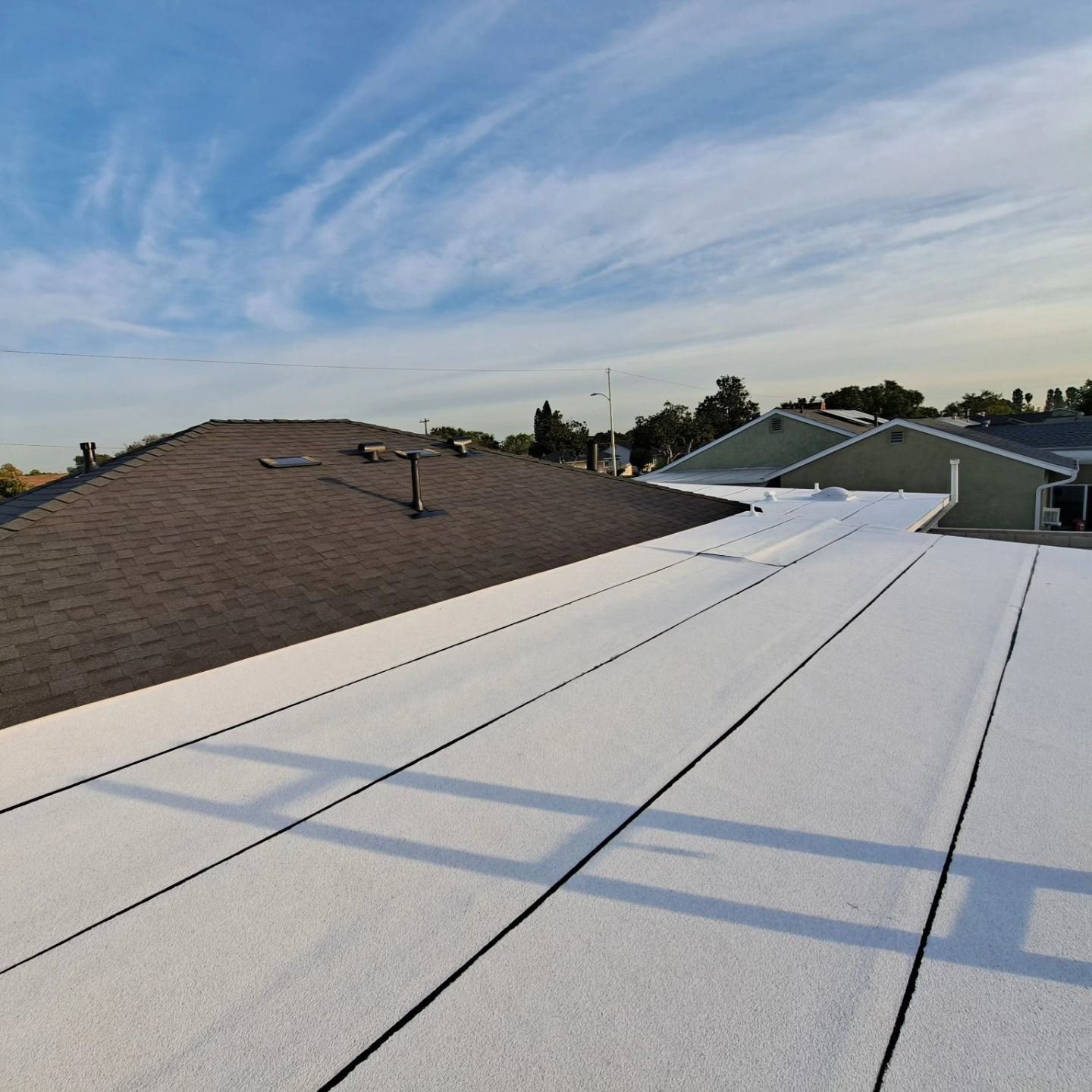
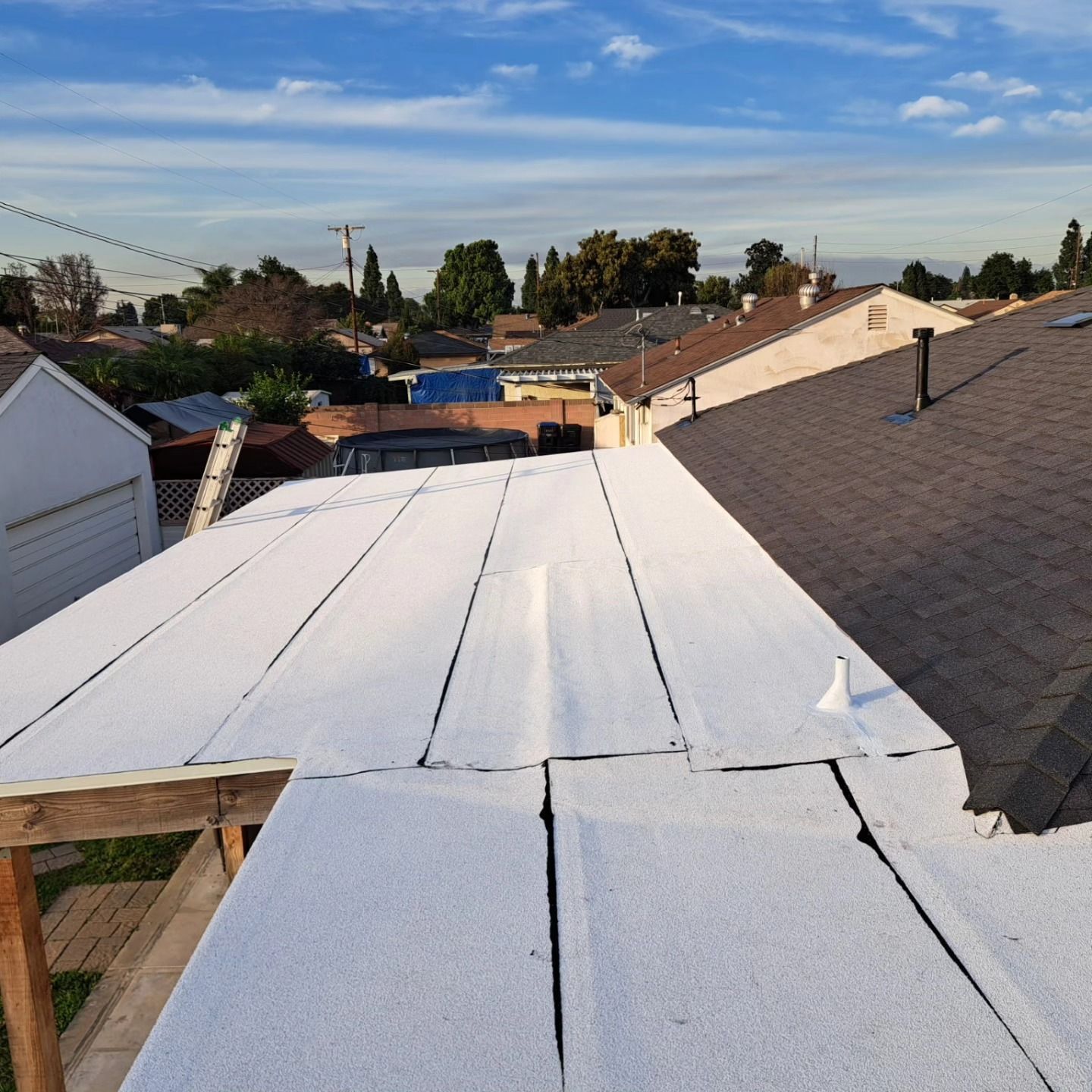
PVC membrane installation follows methods similar to TPO, involving large rolls of polyvinyl chloride sheeting that are heat-welded at overlapping seams to create continuous waterproof protection across the entire roof plane. The welding process uses hot air to melt the PVC material at seam edges, fusing the layers into a single bonded unit that resists separation under wind uplift or thermal movement. Your building's roof gains a reflective surface that reduces solar heat absorption while providing long-term protection against moisture intrusion through properly sealed penetrations and transitions.
Arrange a facility assessment to evaluate chemical exposure and current membrane performance.
What Changes After PVC Installation Completes
PVC membranes maintain flexibility across a wider temperature range than many alternative materials, remaining pliable during cold morning hours and resisting thermal brittleness that causes cracking in aged roofing systems. Heat-welded seams provide watertight integrity superior to adhesive-based systems, as the molecular bond created during welding eliminates the adhesive degradation that causes seam peeling after years of UV exposure and thermal cycling. Reflective white or light-colored PVC surfaces achieve solar reflectance values that keep roof temperatures significantly lower than dark membranes, reducing cooling loads in warehouse and industrial spaces where climate control affects product storage or employee comfort.
Once your PVC roof system is operational, water drains immediately toward scuppers and interior drains without pooling in low areas, and the membrane surface shows no signs of the chemical staining or deterioration visible on roofs where oils or solvents have contacted less-resistant materials. Interior spaces beneath the roof remain dry even during heavy rainfall, as properly welded seams and flashing details prevent water migration through the roofing assembly. The roof's appearance stays consistent across its service life, without the chalking or color fade common to lower-quality membranes.
PVC systems accommodate mechanically fastened, fully adhered, and ballasted installation methods depending on building structure and wind exposure requirements. Membrane thickness specifications range from forty-five to eighty mils, with selection based on expected roof traffic, equipment loads, and puncture risk from maintenance activities or airborne debris.
Questions Before Starting Your Project
Facility managers considering PVC roofing often focus on these practical concerns.
Why choose PVC over TPO for commercial roofing in Commerce?
PVC offers superior chemical resistance critical around restaurant kitchens, industrial processes, and areas where petroleum products or solvents contact the roof surface, though TPO provides adequate performance at lower cost for standard commercial applications.
What is the typical lifespan of PVC roofing membranes?
Properly installed PVC roofs regularly perform for twenty-five to thirty-five years, with some installations exceeding four decades when maintained appropriately and protected from mechanical damage.
How does PVC roofing handle ponding water on flat roofs?
PVC maintains waterproof integrity even under prolonged water exposure, though proper drainage design remains essential to prevent excessive weight loads and accelerated membrane wear in chronically ponded areas.
What credentials should installers have for PVC welding?
Experienced commercial roofers trained in hot-air welding techniques ensure proper seam bonding, as inadequate heat or pressure during welding creates weak points that fail under stress despite appearing intact visually.
How is PVC roofing installed around existing rooftop equipment?
Membrane sheets are precision-cut to fit around HVAC units, vents, and structural penetrations, then heat-welded to factory-fabricated PVC flashings that create sealed transitions preventing water entry at these vulnerable points.
Selah Roofing provides comprehensive commercial roofing analysis including moisture surveys and seam integrity testing. Call our office at (323) 870-7046 to discuss your facility's specific requirements and schedule a detailed property evaluation.